Gate valves for refinery, pipeline and utility service
Full-bore isolation with minimal pressure drop. API 600 cast steel and API 602 forged steel, 2" to 48".
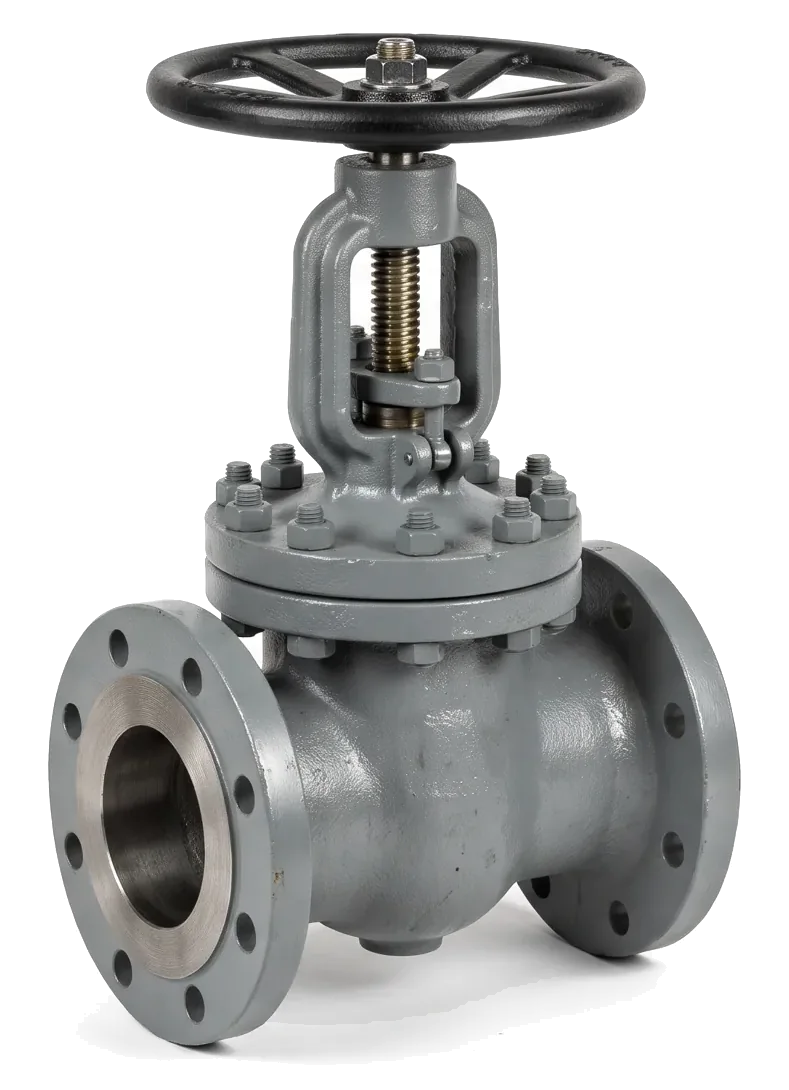
Overview
Gate valves are the most common isolation valve in refineries, pipelines and plant utilities. With the wedge fully raised, the bore is straight-through, so the valve adds almost no pressure drop and can be pigged on pipeline duty.
AM Enterprises supplies cast steel gate valves to API 600 and API 6D, and forged steel gate valves to API 602, from ready stock held by our sister company Al Hakim in Dubai. Every valve ships with an EN 10204 3.1 material test certificate, an API 598 pressure test report and a certificate of origin, so it clears your receiving inspection without delay.
We quote against your specification and approved manufacturer list, and can supply NACE MR0175 trim for sour service, bypass arrangements, gear operators and extended bonnets for cryogenic or insulated lines.
See how a gate valve works in the interactive Valve Lab.
Typical applications
- Crude, vacuum and cracking units in refineries
- Gas transmission and crude pipelines (API 6D, full bore)
- Boiler feed, steam and cooling-water utilities
- Fertilizer and petrochemical plant isolation
- Tank farms, terminals and loading systems
- Water and hydropower pumping lines
Specified in refineries, oil & gas fields, power & heavy industry.
Specifications
| Sizes | 2" – 48" (DN50 – DN1200); ½" – 2" forged |
|---|---|
| Pressure classes | ASME 150 · 300 · 600 · 900 · 1500 · 2500 |
| Body materials | A216 WCB · A352 LCB/LCC · A217 WC6/WC9 · A351 CF8M/CF8 · duplex & super duplex |
| Trim | Trim 1, 5, 8, 12 (stellite), NACE sour-service trims |
| Design standards | API 600 · API 602 · API 6D · ASME B16.34 · BS 1414 |
| Testing | API 598 · API 6D · fire-safe API 607 / API 6FA on request |
| End connections | RF · RTJ · butt weld · socket weld · NPT |
| Operation | Handwheel · gear operator · electric or pneumatic actuator |
Sizes, classes and materials listed are typical of our stock and supply programme. Other combinations are quoted against your specification. See what is usually ex-stock.
Specifying the right gate valve
Specify a gate valve where the line is either fully open or fully closed: unit isolation, block valves around equipment, pipeline sectionalising. Fully open, the bore is clear and pressure drop is negligible; part-open, the wedge chatters and the seats wear, so for regulating duty specify a globe valve instead. Above 2" the valve is a cast body to API 600 (bolted bonnet, outside screw and yoke); at 2" and below it is a forged body to API 602. From Class 900 upward a pressure-seal bonnet is lighter and seals better than a bolted bonnet, and on gas pipelines the slab or expanding gate to API 6D replaces the wedge.
Body material follows the line: A216 WCB for carbon steel service, A352 LCB or LCC below −29 °C, A217 WC6 or WC9 for steam and hot hydrocarbons, A351 CF8M for stainless lines. Trim is called out by API 600 trim number: Trim 1 (13Cr) for general service, Trim 5 or 8 (hard-faced seats) where scale or cavitation attack the seats, Trim 10 or 12 (316) for corrosive service. Add a bypass above 10" Class 300 to ease opening against differential pressure, and a flexible wedge where thermal binding is a risk.
What to send us for a fast quote
- Size and pressure class
- Body material and API 600 trim number
- Bonnet type: bolted or pressure seal
- End connection and face finish (RF, RTJ, BW)
- Operator: handwheel, gear, bare stem for actuator
- Documents: MTC 3.1 or 3.2, API 598 report, NACE, TPI
Why tenders get rejected, and how we avoid it
Pakistani operators routinely reject gate valve bids that quote the standard without the proof: an expired API 600 licence, a trader's conformity statement in place of the manufacturer's test report, or a missing authorisation letter. We attach the manufacturer's current API monogram licence, an OEM authorisation letter naming the project, and sample certificates with the quotation, so your technical evaluation has nothing left to query. More on API licences, authorisation letters and certificates.
Brands available
Supplied from the manufacturers below, through our sister company Al Hakim in Dubai. Country of origin is confirmed on the certificates of every supply.
Documentation supplied
EN 10204 3.1 material test certificate traceable to heat number, API 598 pressure test report per serial number, certificate of origin and manufacturer's certificate of conformity, with NACE, fire-safe, 3.2 and third-party inspection documents where the order requires them. What every document in our package covers.
Frequently asked questions
Can a gate valve be used to throttle flow?
No. A partly open gate valve vibrates the wedge and wears the seats. Use a gate valve fully open or fully closed, and a globe valve where you need to regulate.
What is the difference between API 600 and API 602 gate valves?
API 600 covers cast steel gate valves, typically 2" and larger. API 602 covers compact forged steel valves, typically 2" and smaller, in Class 800, 1500 and 2500.
Do you supply gate valves for sour service?
Yes. We supply NACE MR0175 / ISO 15156 compliant trims and bolting for H2S service, and confirm compliance on the certificates.
Gate valve or globe valve: which should I specify?
Gate for isolation (open or shut), globe for regulating flow. A gate valve left part-open vibrates and wears its seats; a globe valve throttles cleanly but costs more pressure drop when fully open.
Bolted bonnet or pressure seal?
Up to Class 600 a bolted bonnet is standard and easiest to maintain. At Class 900 and above a pressure-seal bonnet uses line pressure to tighten its own seal, giving a lighter valve with no bonnet-gasket leakage, which is why it is specified for boiler feed and high-pressure steam.
Related products
For small-bore gate valves 2" and below, see our API 602 forged steel valves; for pipeline slab and expanding gate valves, see ball and actuated valves for the matching ESD packages.
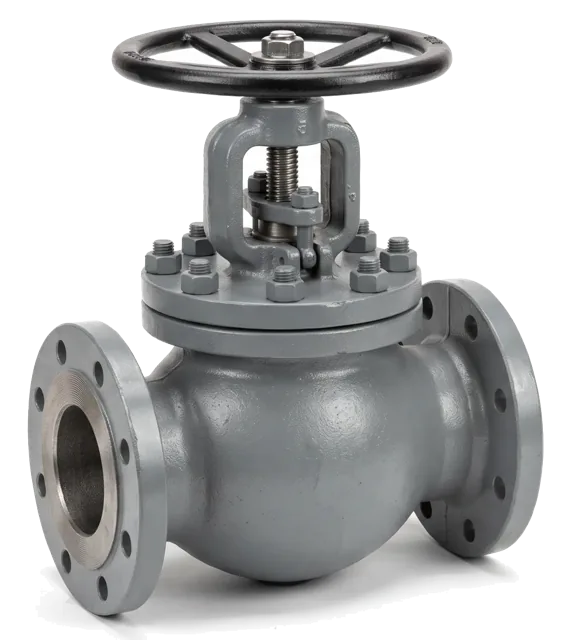
Globe valves
Stable throttling for steam, fuel and process lines. Cast and forged, ½" to 24".
Sizes, classes and brands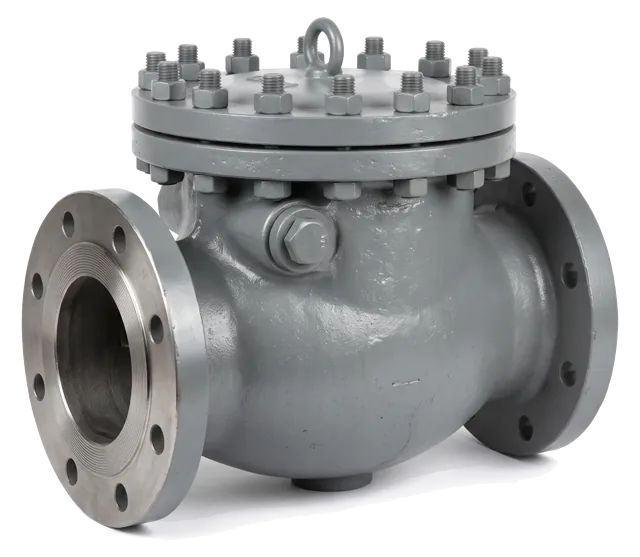
Check valves
Swing, dual plate, piston and tilting-disc designs. API 594, API 6D and BS 1868, ½" to 48".
Sizes, classes and brands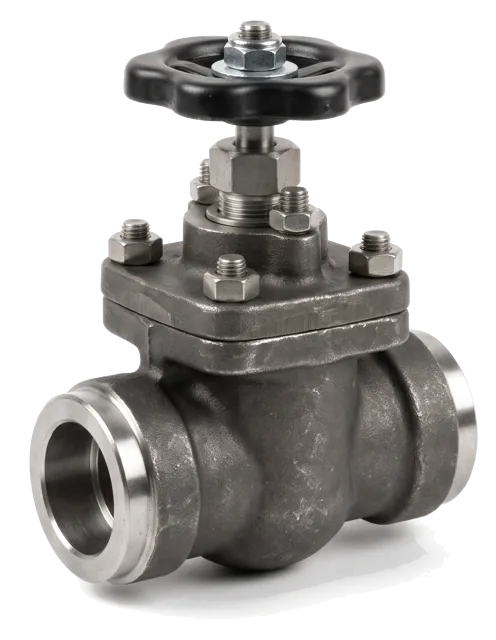
Forged steel valves
Forged gate, globe and check valves to API 602 in A105, LF2, F11/F22, F316 and F51, ¼" to 2".
Sizes, classes and brands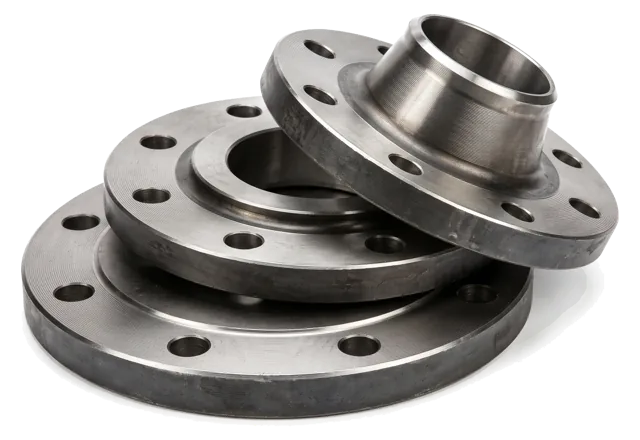
Flanges
Weld neck, slip-on, blind, socket weld, threaded and lap joint, Class 150 to 2500, RF and RTJ.
Sizes, classes and brandsRequest a quotation for gate valves
Send size, class, material, quantity and required documents on WhatsApp or through the form. We reply within one working day with availability and lead time.